I returned to a matter three weeks after starting it. Complex hardware invention; semiconductor process. I had got done with building the initial understanding, approved the claim plan, and then the client had gone quiet for a few weeks while waiting for additional test data from the engineering team. Normal situation. Standard delay.
I opened the tool. Blank. No context. No understanding. No memory of the direction we had taken on the novelty argument. No record of the claim scope decision we had made in week one. The tool had not forgotten; it had never stored anything worth remembering. I was suppose to reconstruct the entire prior work from my own notes.
I am not sure I was able to fully reconstruct it. I may be misremembering, but I think we made slightly different decisions on the second pass. Decisions that were probably fine; just not the ones we had made the first time. The client would never know. But the matter was built on a slightly different foundation than the one we had originally established.
What the frequent flyer programme figured out
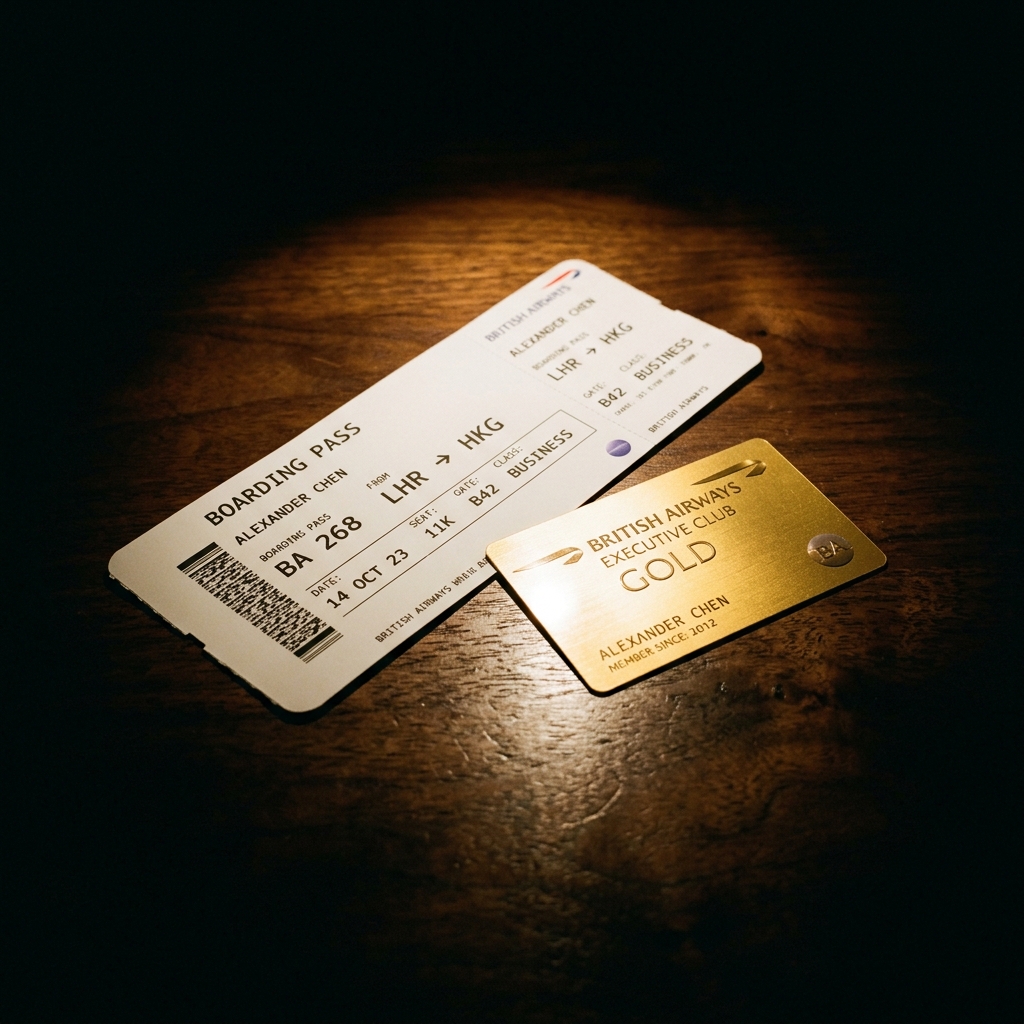
Airlines learned something important about returning customers a long time ago: asking a person who has flown with you forty times to re-enter their seat preference is not a neutral act. It is a signal. It says: the previous forty journeys did not matter enough to retain. The relationship, from the airline's perspective, began again the moment you opened a new booking.
The frequent flyer profile exists precisely to counter that signal. Your meal type. Your seat preference. Your contact information. Your upgrade eligibility. The boarding priority you earned. None of it requires re-stating. You arrive at check-in and the system already knows. Not because the airline is especially warm or attentive; because making a returning customer re-introduce themselves is an operational failure dressed up as a neutral default.
"Memory is not a database feature. It is respect for the relationship. A tool that forgets everything at the end of every session is not respecting the attorney's time. It is consuming it."
What Matter Memory actually preserves
In eety, a matter is a persistent object, not a session. When you return to a matter three weeks later, the Brain is exactly as you left it: the fifteen-point invention model, updated with every piece of information that arrived since you started, reflecting every decision you made along the way. The claim strategy you settled on in week one is still there. The novelty argument you refined after the inventor's second reply is still there. The direction you chose when two approaches were possible is still there.
This extends to the understanding refinement history. Every time the Brain was updated, because new information arrived, or because you corrected an assumption, the change is recorded. You can see what the model looked like before and after each update. You can trace the reasoning that led to the current state. You are not reconstructing from memory; you are resuming from a complete record.
The whiteboard in the conference room still had the question on it. That is the image I come back to when I think about matter memory. Not the clean final answer; the question that was still open when everyone left the room at the end of a session. The next meeting starts from that question, not from the beginning. That is what good memory does. :)