Two attorneys at the same firm, using the same AI tool to draft the same type of patent application. The claims that came out were legally sound; technically correct; structurally coherent. And completely indistinguishable from each othre.
One of them told me this quite casually: "I can always tell which sections the AI wrote and which sections I wrote. I have not worked out whether that is a compliment or a problem." I told her it was probably both. She did not disagree.
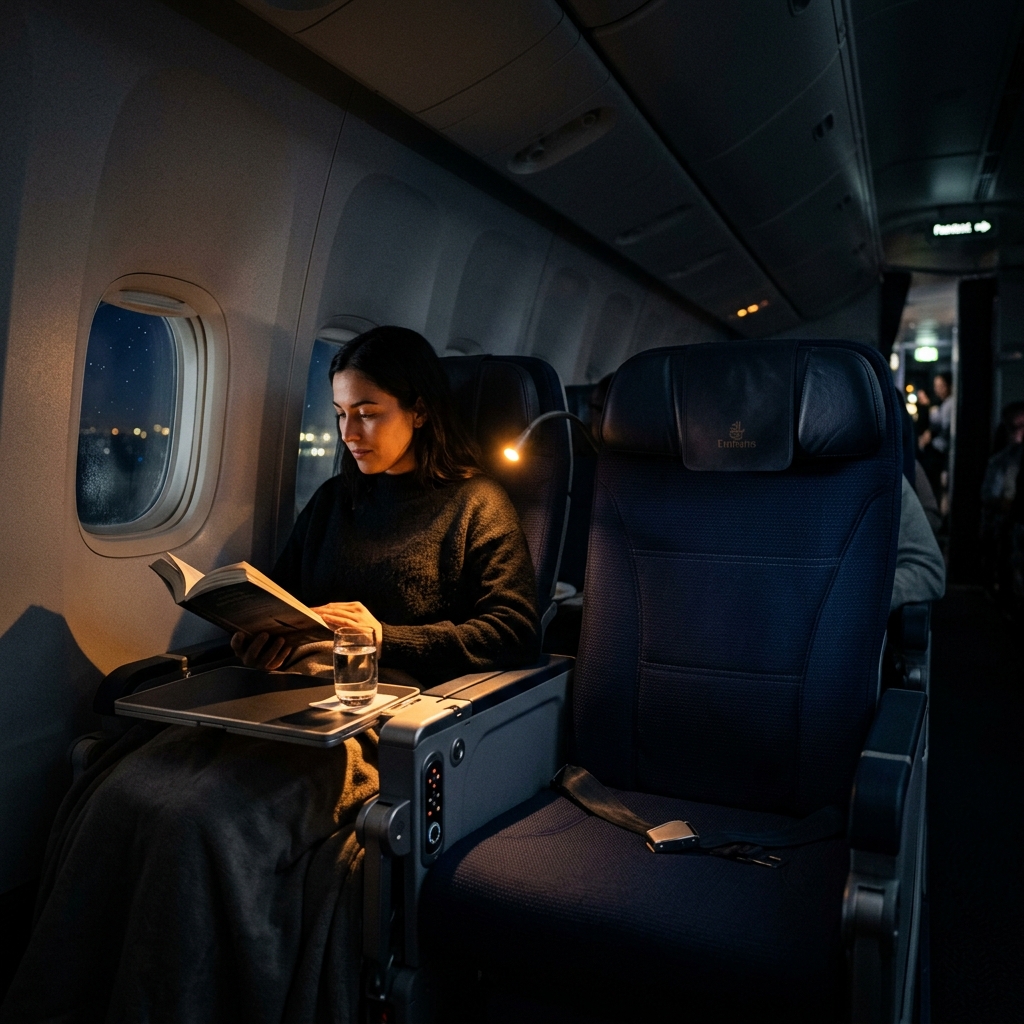
Window or aisle. It is a real question.
When you book a flight, you choose your seat. Not just economy or business; the specific seat. Window or aisle. Front of the cabin or near the exit row. Extra legroom or standard pitch. Airlines long ago figured out that two passengers on the same aircraft can want completely difefrent things from the same journey; and that honouring those preferences is not a luxury feature. It is the basic condition for the trip feeling personal rather than institutional.
The preference is small. The difference it makes is disproportionate. Being on the wrong side of a long-haul flight, unable to sleep because the light comes trhough the window, is a specific kind of misery that the seat selection screen exists precisely to prevent. The seat choice takes fifteen seconds. The consequence of not having it lasts twelve hours.
A patent attorney's voice has taken a decade to develop. A particular way of introducing embodiments. A preferred preamble structure for independent claims. A consistent hedging register that has evolved from years of prosecution feedback and examiner responses. This is not decoration. It reflects specific legal experience; client preferences; jurisdictional calibration built up case by case. When AI produces output in a generic legal register, it sounds like a competent template; not like the attorney whose reputation is attached to the filing.
"Generic AI output sounds like a competent paralegal drafted it. An experienced partner reviewing that draft knows immediately it does not belong to anyone. That knowledge is uncomfortable."
What Style DNA actually does
Some tools offer style toggles: "formal" or "concise." These adjust surface-level tone without capturing anything about the specific structural and semantic patterns that define an individual attorney's professional voice. It is the equivalent of asking whether you prefer aisle or window and then seating you in the middle row regardless.
eety's Style DNA system analyses a set of reference patent applications written by the attorney, or sourced from the firm's existing portfolio, and extracts a precise stylistic fingerprint. Not the words; the patterns. Hedging semantics. Embodiment disclosure sequences. Claim preamble structures. Antecedent basis conventions. Sentence cadence across different sections of the specification. The way the attorney introduces a technical problem; and the way they close a detailed description.
Every subsequent draft is generated with that profile active. The output does not just read like a competent patent application; it reads like your patent application. Partners reviewing AI-assisted work report that it requires significantly less stylistic revision when Style DNA is enabled. The reason is not that the AI became better at legal writing in general. The reason is that it stopped being general about yours.
The attorney I mentioned earlier, the one who could always tell which sections the AI wrote, ran Style DNA on five of her existing filings before drafting a new matter. She told me afterwards that the gap had almost completely closed. She said she found this "unsettling in a good way." I am genuinely not sure I have fully worked out what that means. But I think it means the seat was finally the right one. :)
Experience It
Upload five reference filings. See how quickly the output starts to sound like you.
Start Free →