She had built something remarkable: 140 patent professionals, three offices, a client list that included two Fortune 500 companies. She pushed her dessert aside and asked me the question she had clearly been sitting on all evening. I owed her an honest answer. This is it.
Tabrez Alam
April 15, 2026 · Founder, eety.ai
She had spent fifteen years building her firm. Started as a patent agent, made partner, then left to start her own practice because she had a theory about how IP boutiques should work. That theory had turned out to be correct; her team had grown, her reputation had grown, and she was now in the business of managing people, processes, pipelines, and client expectations simultaneously at 140 different points of responsibility.
We were at dinner with a group of IP founders. The kind of dinner where people are polite for the first two courses and then say what they actually think over dessert. She leaned forward and asked me the question that, I later realised, every single person at that table was also thinking. They just had not said it out loud yet.
"Honestly, how many of my people do I not need anymore?"
The table went quiet. Not uncomfortable quiet; the quiet of people who were genuinely curious about the answer.
The honest answer is: I do not know exactly. And anyone who tells you they know exactly is telling you what you want to hear, not what the evidence says. What we do know is how similar moments in professional history have played out before. And the pattern is not what most people expect.
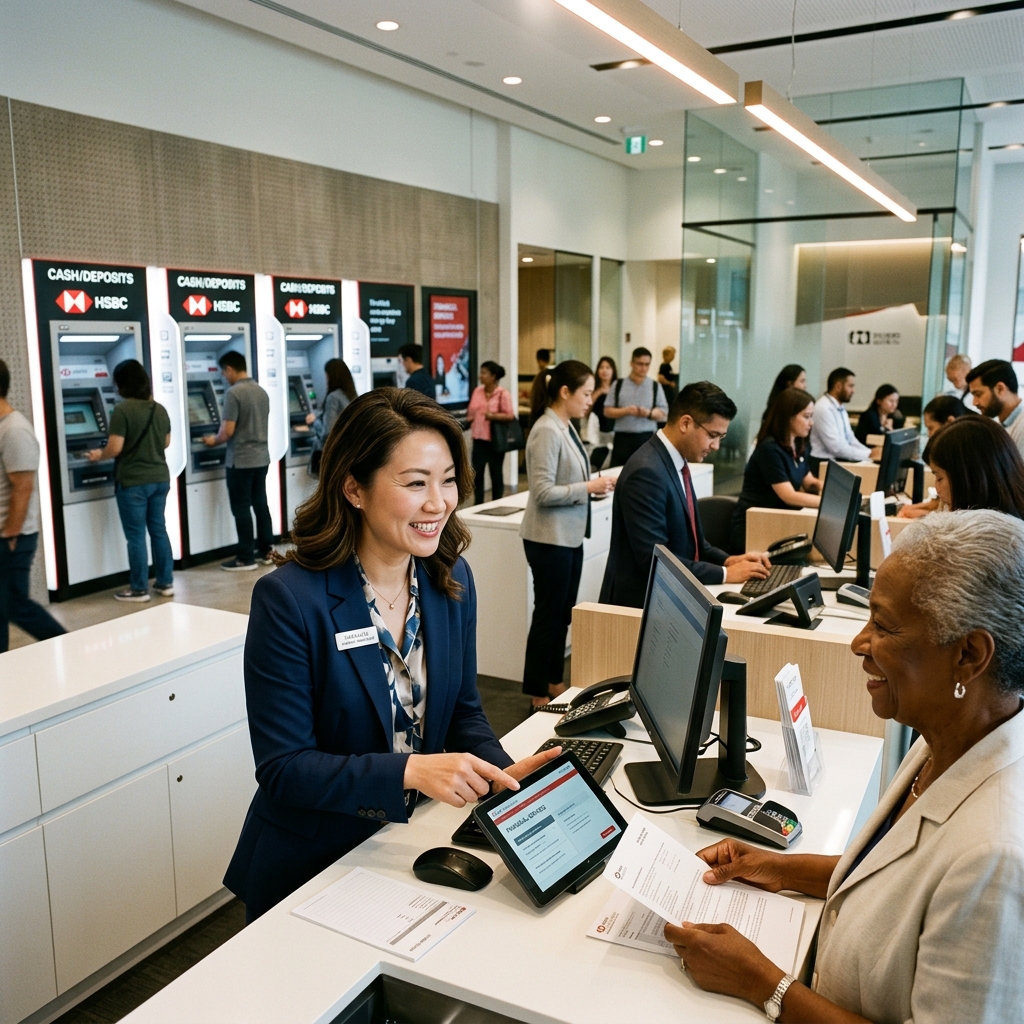
When Citibank installed the first ATM machines in New York in 1977, every bank teller in the country had a reasonable reason to be anxious. The machines could accept deposits, dispense cash, check balances; everything a teller handled in the first five minutes of any customer interaction. The prediction at the time was straightforward: fewer customers needing tellers meant fewer tellers.
That prediction was wrong. There are more bank tellers employed today than there were in 1977. Not because the ATMs failed. Because the ATMs made banking cheap enough that banks could open more branches in more locations; and serve customers who previously had no access to banking services at all. The human work did not disappear. It expanded into the space the machines opened up.
The work that remained for tellers changed, though. It became higher-judgment. Loan conversations. Relationship management. Complex financial situations. The routine work went to machines; the meaningful work became more central, not less.
ATMs were supposed to reduce bank employment.
Banking employment grew. Because the market grew.
The founder across from me was asking: "how many of my people do I not need?" That question assumes a fixed amount of work and asks how to do it with fewer people. But the more important question is different: how much more work can my same team now do?
There are three calculations that every patent firm founder needs to run through. Not as a business exercise; as a survival check.
Your team currently drafts X applications per month. With AI-assisted invention understanding and structured drafting, that number grows; not because your team works harder, but because the mechanical parts of each application take less time. The same 140 people can handle a larger portfolio. More output, same headcount. This is not a cost reduction story. It is a revenue-per-person story; and it changes your firm's competitive pricing significantly.
Your senior attorneys currently spend meaningful hours on generation tasks that a junior with better tools could handle. Freeing their time at the senior level unlocks the high-judgment work: prosecution strategy, client relationship depth, scope decisions, appeals. This is where your firm's reputation lives. Every hour a senior attorney spends on mechanical drafting is an hour not spent on the work that makes clients come back.
This is the one that changes everything. The patent market is currently constrained almost entirely by cost. There are thousands of inventors and startups who have real, protectable inventions and cannot afford your current rates. AI-assisted firms can serve this segment profitably at lower price points. The market does not shrink when AI enters. It expands to include everyone who was previously priced out. Your share of a growing market is not the same as your share of a fixed market.
I told her this at dinner. I said: the question you are asking assumes that your headcount is the variable. The more important variable is your competitor's headcount. Specifically, what happens when a firm with 80 people starts operating with the throughput of 140; and starts offering faster turnaround and better pricing than you currently can?
This is not hypothetical. This is already happening at the edges of the market. The firms that are moving early are not doing it to reduce headcount. They are doing it to expand capacity without the proportional cost of additional hiring. And the capacity advantage compounds quickly.
Your people are not at risk from AI. They are at risk from the firm next door that decided AI was an opportunity rather than a threat; and is now serving your clients at a price you cannot match on your current model.
I told her all of this. Not in a polished way; we were on our second coffee and the restaurant was closing. But she listened. Then she said something I was not quite expecting from someone who had been worried about headcount ten minutes earlier.
"So the risk is not that I hire fewer people. The risk is that I hire people who do not know how to use these tools."
Yes. Exactly that. :)
The patent firm that wins in the next five years will not be the one with the most people. It will be the one whose people are the most capable; and capability, increasingly, includes how effectively you can make AI do the mechanical work so your judgment can do the human work.
That is not a threat to her 140 people. That is a challenge for her 140 people. And there is a very big difference between those two things.
She asked for my card before we left. I think she understood the difference. :
I am aware that the founders reading this are not the only ones in the room with a question. The attorneys working for those founders have their own version of it; quieter, more personal, more existential than any headcount spreadsheet. I wrote a separate piece for them specifically. The Patent Attorney Who Will Thrive with AI is not about what happens to the firm. It is about what happens to the person at the desk; what AI takes from their daily work, and what it categorically cannot touch.

"The question is not how many of your people you do not need. The question is what becomes possible when each of your people can do significantly more."
eety.ai was built with firm-scale use in mind. We handle the invention understanding, the plan, and the draft. Your team handles the judgment, the client, and the strategy. That is the division of work that grows firms.
For founders worried about headcount and competitive position.
For the individual wondering what their career looks like now.
Coming NextThe million inventors who currently cannot afford a patent attorney.