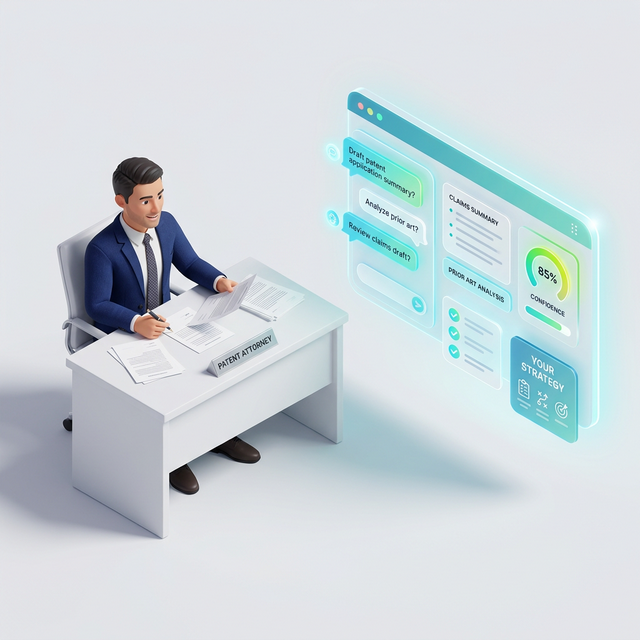
You did not spend years mastering patent law so an AI could make decisions for you. eety doesn't replace you; it executes for you. You lead. It follows.
There is a type of junior associate that takes your instructions, disappears for two hours, and comes back with something that has nothing to do with what you asked. You know the type. eety is not that. It asks when it is unsure. It waits when it needs direction. It executes exactly what you instruct; the way a brilliant junior would on their very best day.
Takes your instructions and makes its own decisions about strategy, scope, and execution; whether you wanted that or not
Guesses when it hits a gap. Does not tell you it guessed.
Presents completed work you had no hand in shaping; hope you like what it decided
Writes in its own voice; generic, interchangeable, unmistakably not yours
Implicitly says: "I can do your job"
Understands your intent and asks when it's unsure; never assumes your strategy
Identifies every gap and asks a focused technical question to fill it; not a vague one
Waits for your direction at each step; you approve, modify, or redirect before it proceeds
Writes in your voice; your style, your hedging patterns, your formality level
Knows that "You're the expert. I'm here to make you faster."
eety doesn't decide claim scope, prosecution angles, or drafting priorities. You do. It executes what you instruct; the way a brilliant junior associate would on their very best day. The strategy is always yours.
When the understanding is incomplete, eety stops and asks a focused technical question. It does not fill the gap with a guess. Because one wrong assumption in a patent application can cost your client millions; and you do not find out until the examiner tells you.
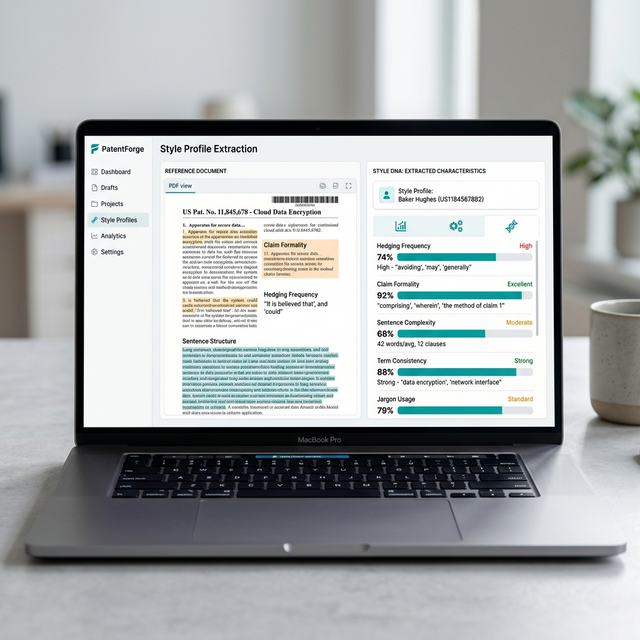
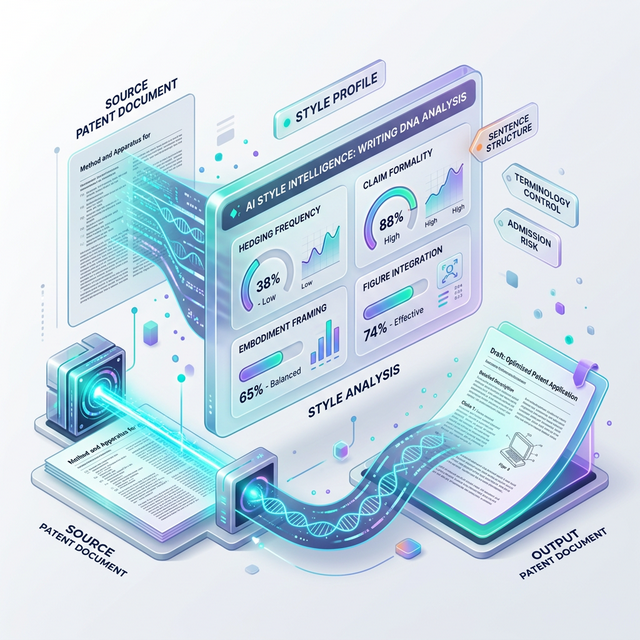
If a colleague read the output, it should sound like you wrote it; not like someone fed your instructions into a chatbot. eety reverse-engineers your writing DNA from a reference patent and drafts in that exact voice. It is either yours or it is wrong.
It follows your lead — and gives you a heads up before there's a problem.
No ego. No pushback. Just “how do you want it done?”
Every revision starts with your direction. It never decides for you.
You passed the bar. You built the expertise.
eety just makes sure that expertise ships faster;
without anyone cutting corners on your behalf.
I once asked a tool to explain what was novel about an invention I had just uploaded. It gave me a paragraph. A very well-written, structurally sound paragraph. Which was, essentially, just the first three sentences of the inventor's email; rearranged. The tool had not understood the patent. It had understood the pattern of patent writing. These are not the same thing... not even close.
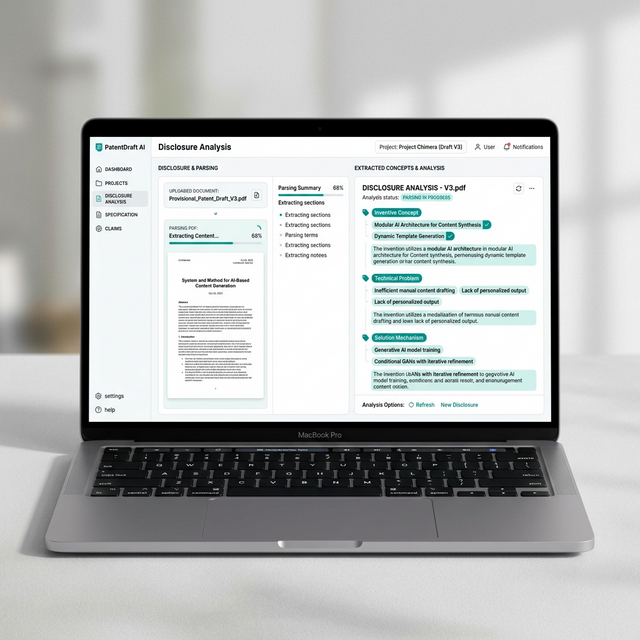
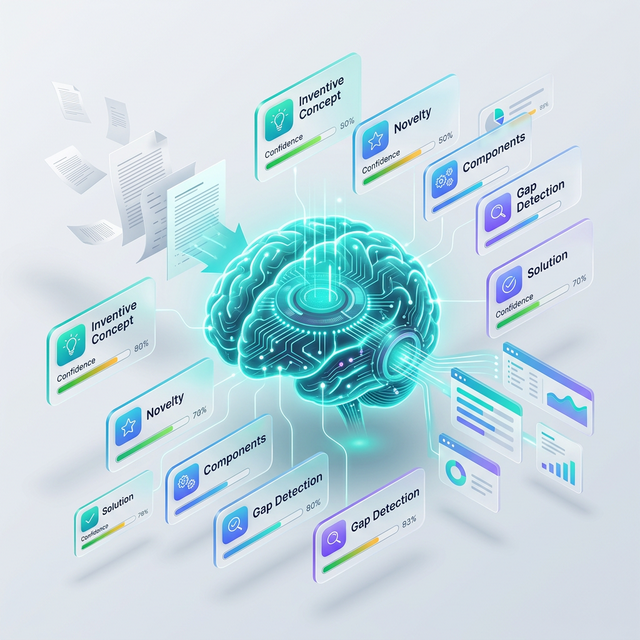
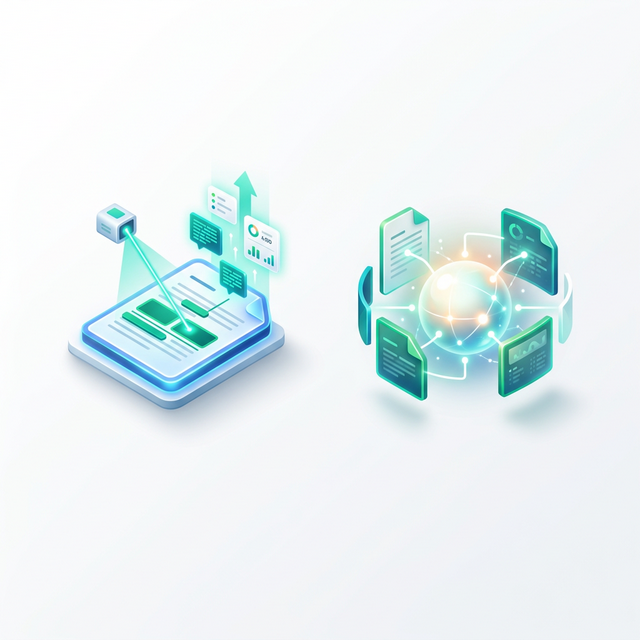
eety builds a living, evolving model of your invention; mapping components, tracing interactions, identifying what is genuinely novel, and flagging exactly where the gaps are.
Drop in any format; invention disclosures, technical specs, research papers, even rough inventor notes. A good engineer doesn't refuse to read a napkin sketch. Neither does eety.
Every file goes through a 15-dimension extraction; from inventive concept and novelty to component-level interaction mapping. Not keyword matching. Genuine comprehension of what this thing actually does and why no one has done it before.
After the initial pass, eety identifies what it still doesn't know and asks you. Not generic questions; targeted ones. Framed like an engineer who is trying to actually build this. Each answer deepens understanding surgically; nothing already solid gets touched.
Inventive Concept
What is fundamentally new
Technical Problem
The pain point being solved
Solution Mechanism
How it actually works
Novelty Assessment
What distinguishes from prior art
Non-Obviousness
Why it's not trivially derived
Component Mapping
Every element decomposed
Interaction Tracing
How components relate
Domain Classification
Technical field identification
Advantages
Key benefits articulated
Use Cases
Practical applications identified
Alternative Embodiments
Different ways to implement
Terminology Mapping
Key terms and definitions
Gap Detection
Missing information flagged
Preliminary Claims
Initial claim scope framing
After the initial pass, eety identifies the knowledge gaps and asks 3 to 5 targeted technical questions. These are not generic. They are specific to your invention; framed by someone who is trying to build it from scratch and has hit a wall.
Q1: How does the system distinguish between a vertical acceleration spike caused by a road hazard versus user handling events (e.g., dropping the phone)?
Q2: What is the minimum threshold of unique device reports required within a geospatial radius before confirming a hazard as validated?
Q3: Does the Visual Screening Module utilize a circular buffer to retroactively save frames from the moment preceding the accelerometer spike?
Every dimension gets a confidence level. So you know exactly where the understanding is solid and where the inventor still needs to fill a gap. No false confidence; no hidden uncertainty.
Not a static analysis. The understanding grows with every answer, every document, every piece of prior art; feeding downstream into claims, specification, and drawings.
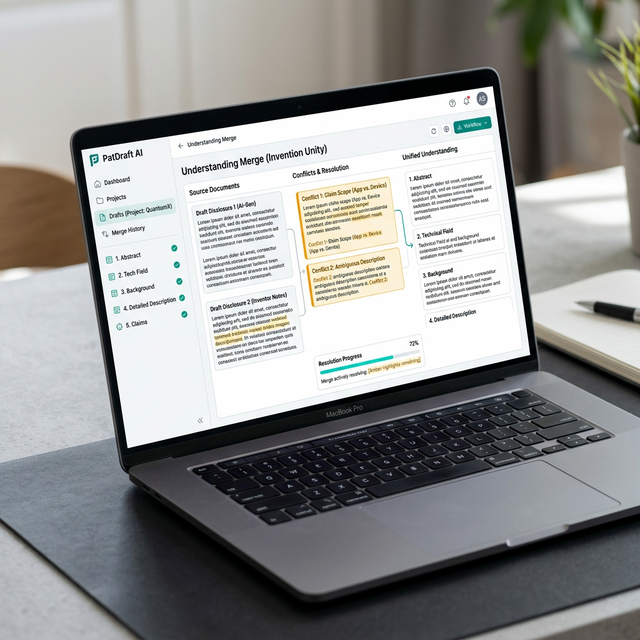
Upload multiple files; disclosures, prior art, technical specs. The brain merges them, resolves conflicts, fills gaps, and re-ranks novelty into a single unified model.
New information computes a precise delta; only changed fields update. What's already solid stays untouched. Zero wasted context.
Every insight traces back to its source chunk. You can see exactly which sentence in which document produced each understanding field. No black boxes.
Upload inventor videos and audio recordings. The brain transcribes, analyzes, and extracts technical understanding the same way it does with documents.
No prompts to memorise. No templates to fill. Just say what you want; eety figures out what that means and does it.
"I want to own everything here"
→ Broadest possible claim scope, functional language
"ASAP — file provisionally"
→ Speed mode; lean draft, gets the date locked
"What's the prior art landscape?"
→ Prior art analysis runs first, then we draft
"Good bones — needs polish"
→ Iterates surgically; nothing good gets touched
"That figure is wrong, redo it"
→ Regenerates the specific figure, keeps the rest
"Ship it — export everything"
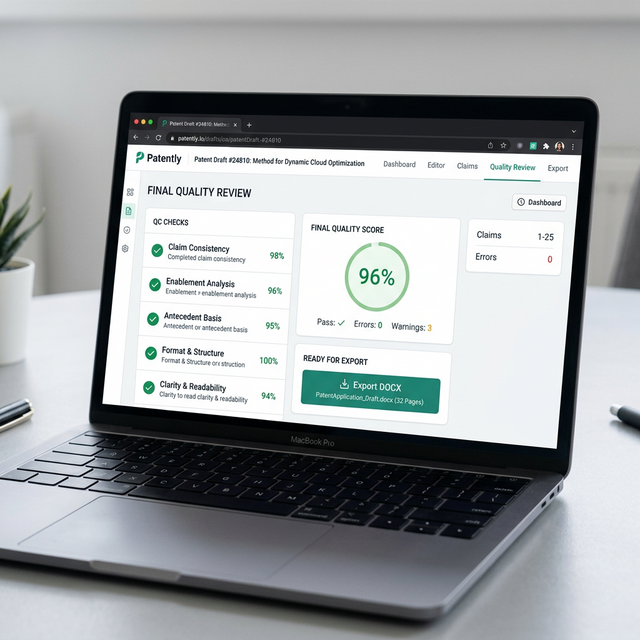
→ DOCX out; jurisdiction-correct formatting
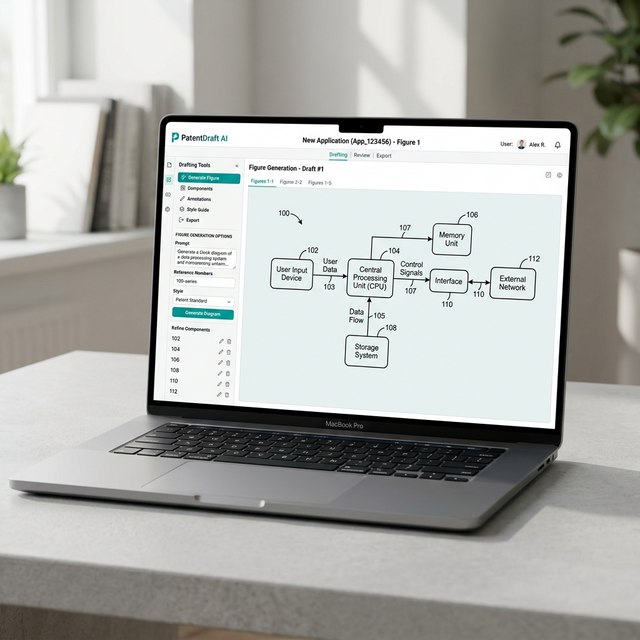
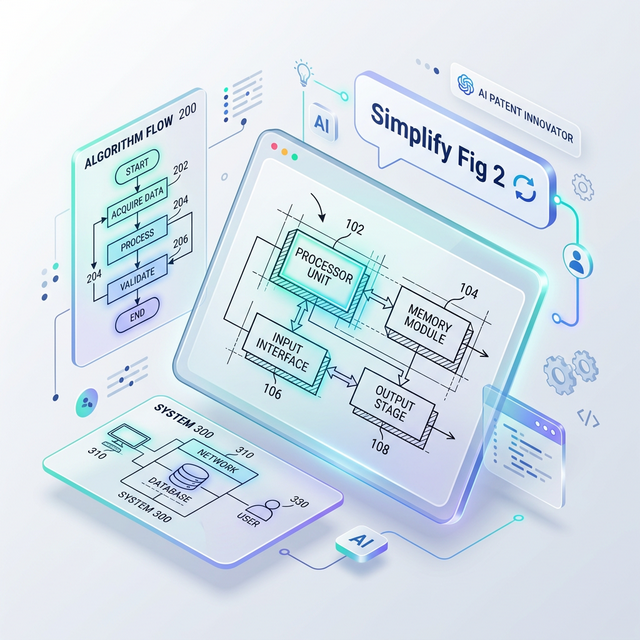
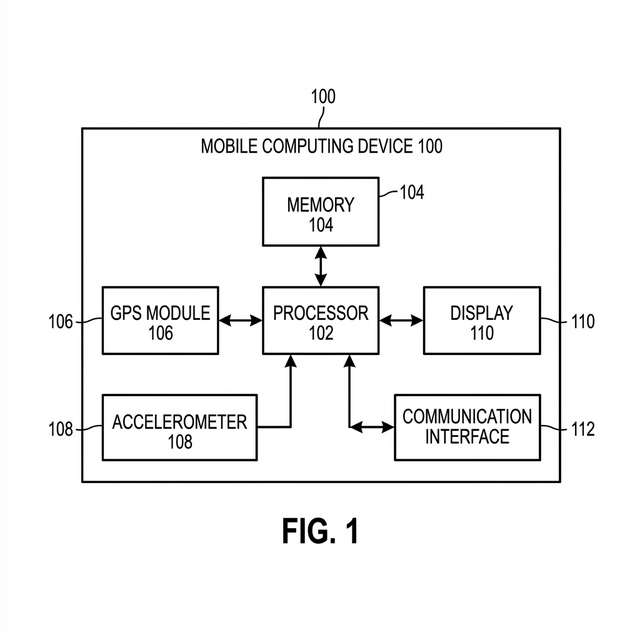
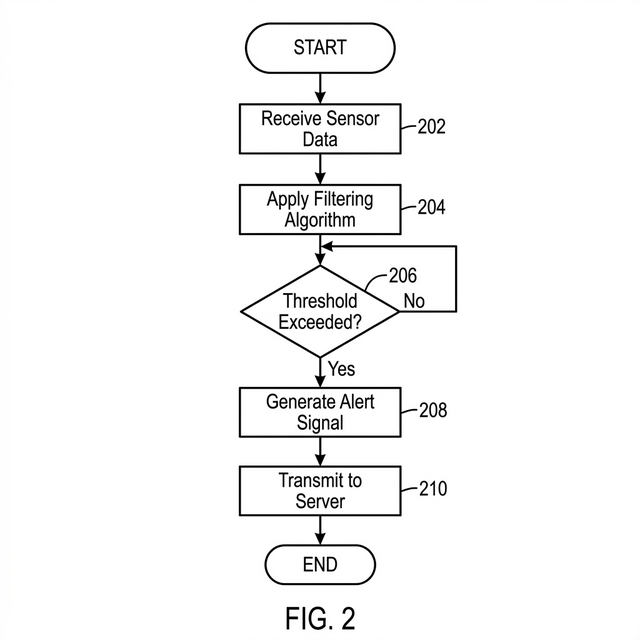
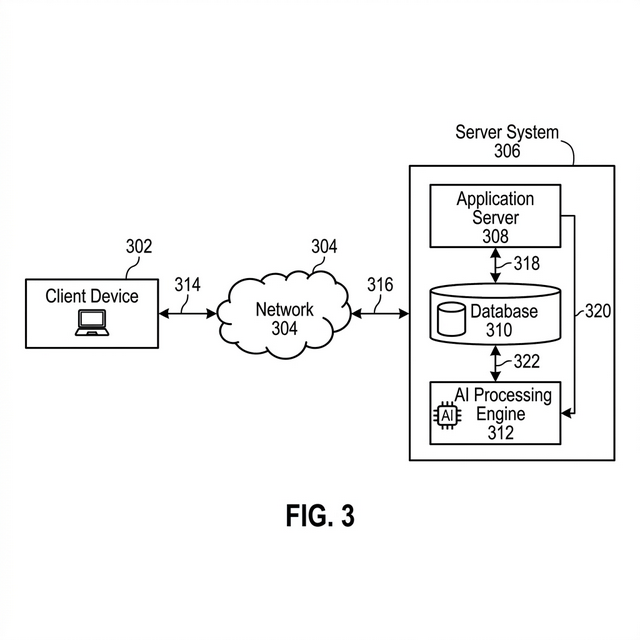
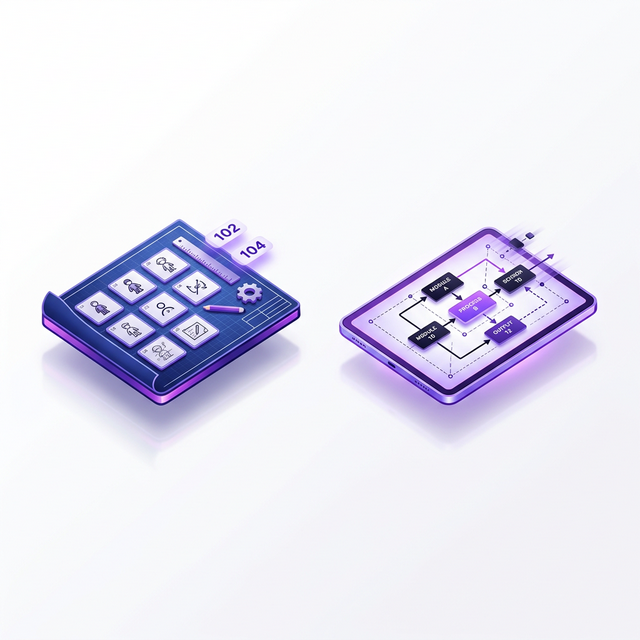
Most AI patent tools stop at the text. eety generates the figures too; block diagrams, flowcharts, schematics; aligned with your claims, built from your invention, refined by your feedback.
System Block Diagram
Method Flowchart
Network Architecture
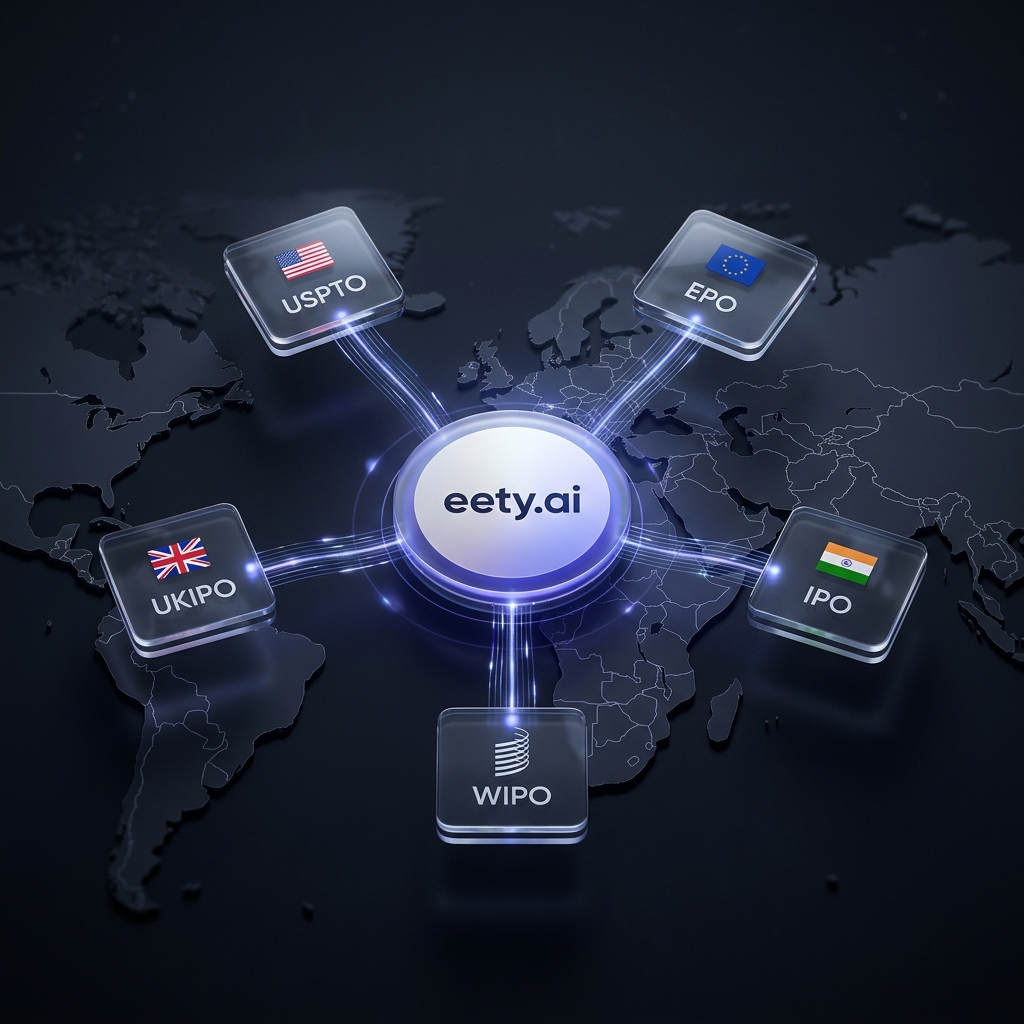
Drawings generated to USPTO, EPO, UKIPO, WIPO, or IPO standards. Pick your office; eety applies the correct rules automatically.
"Remove the barcode from Fig 2" — eety regenerates with your feedback in seconds, not hours.
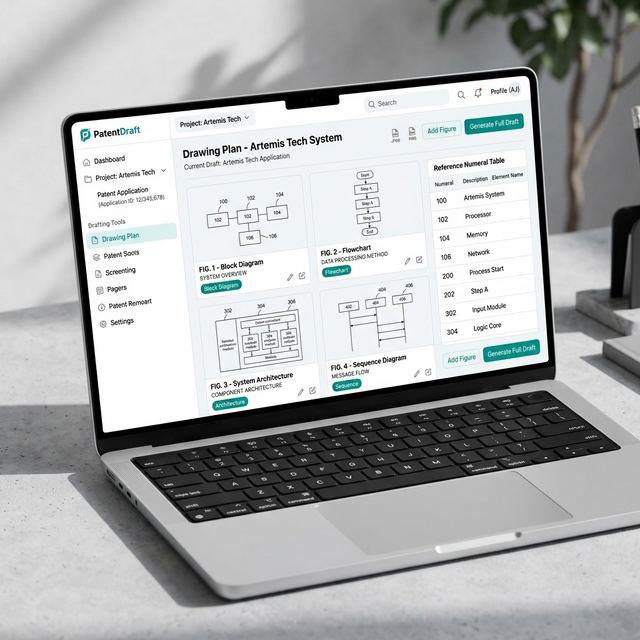
Reference numerals tracked across all figures. Element 102 in Fig. 1 stays 102 everywhere; renumbering ripples automatically.
Every figure is rendered as a clean SVG; infinitely scalable, print-ready, and editable. No raster artifacts at USPTO resolution.
eety decides what type each figure should be; block diagram, flowchart, schematic, state machine; based on what the invention actually needs.
Add a new figure and the Brief Description of Drawings updates automatically. Every reference numeral inserted, every section kept in sync.
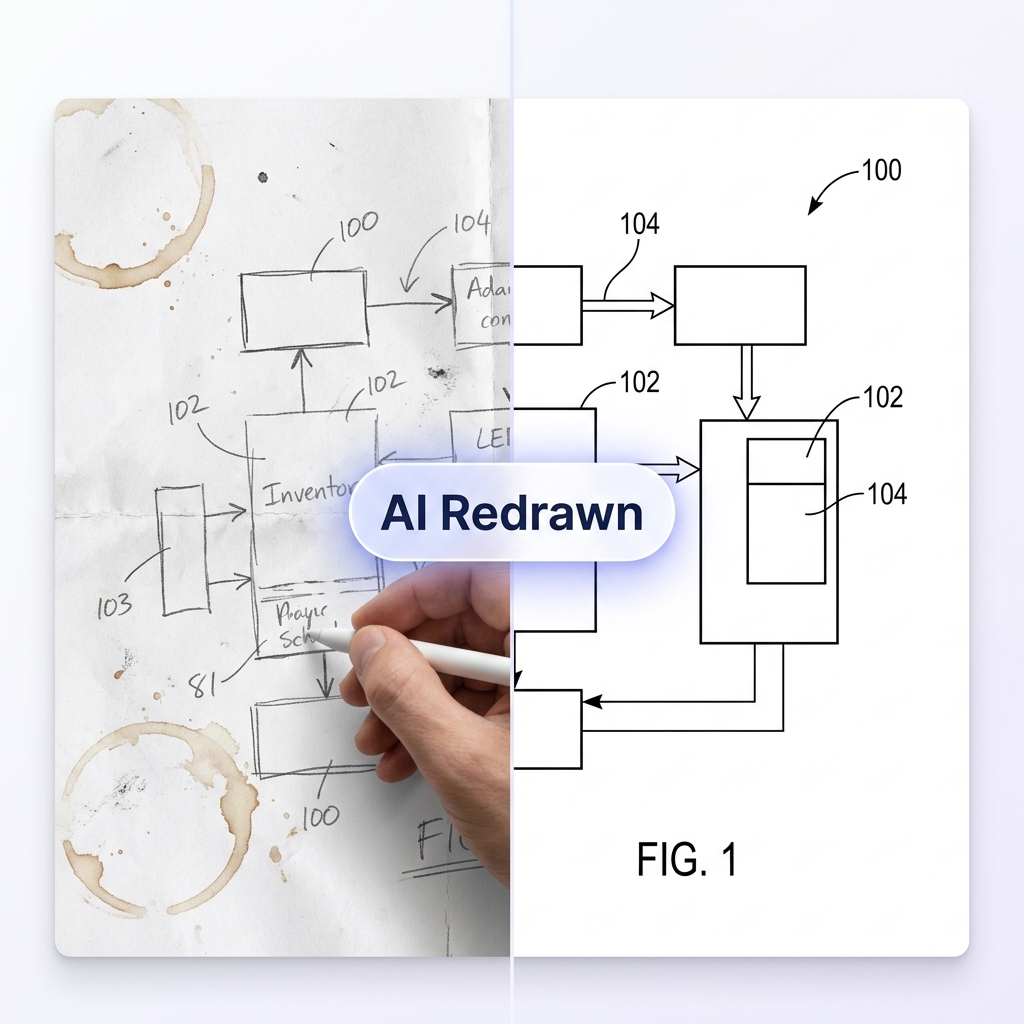
Most inventors have a drawing. It's on a napkin, a whiteboard photo, a tablet sketch with chicken-scratch labels. No other tool knows what to do with it. eety does.
Upload your sketch; eety reads the topology, identifies the components, maps your scrawled reference numbers, and redraws it as a clean, compliant patent figure. The invention context it already understands fills in the gaps your sketch leaves behind.
Upload a rough sketch or informal drawing in any format
eety classifies it as formal or informal; asks before acting
Approve the redraw plan, or keep your drawing as-is
Formal output meets your target office's drawing standards
No other AI patent drafting tool reads your drawings. This is not a small thing.
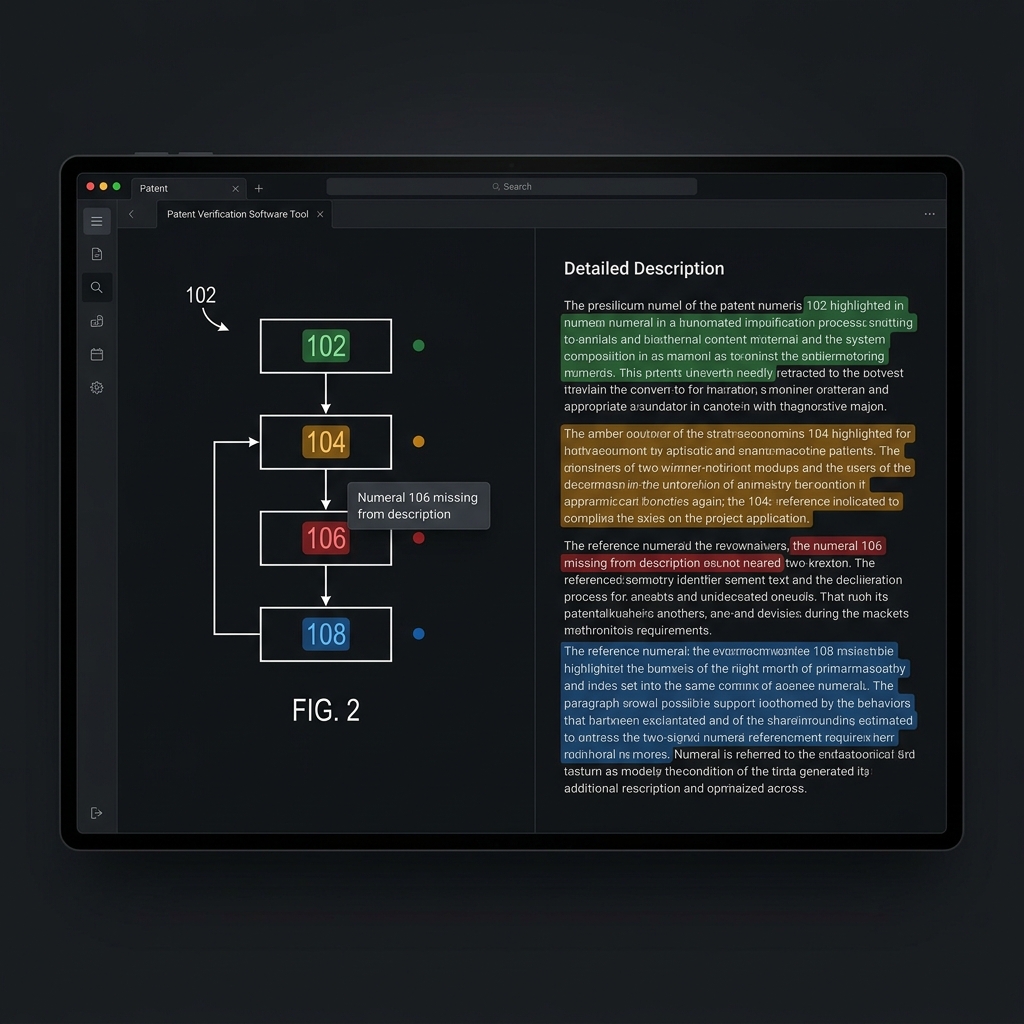
Reference numeral errors are the most common reason a patent examiner returns a drawing package. Numeral 106 appears in the figure; nowhere in the description. The examiner notices. You don't. Not at 11pm on a filing deadline.
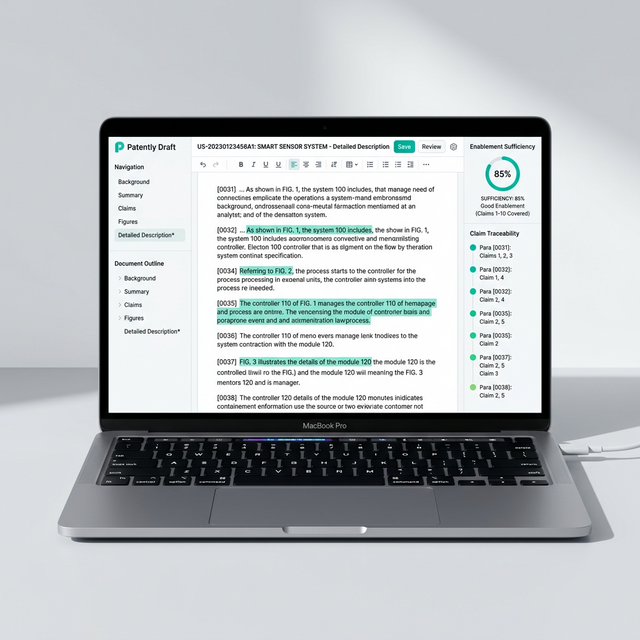
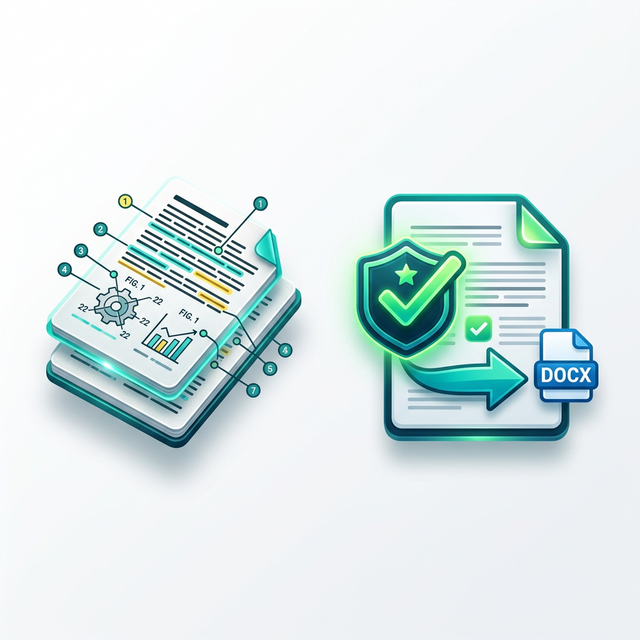
The Verifier runs two checks automatically. The Figure Verifier cross-references every numeral in every figure against every mention in the specification. The Claims Verifier highlights every claim term in the Detailed Description; so you can see instantly where claim language has support and where it doesn't.
Every reference numeral in every figure, color-coded by match status. Red means it's missing from the description. One click to jump to the gap.
Select a claim; every matching phrase highlights in the Detailed Description. Instantly see which claim terms have written description support and which need it.
Pick India at project creation and the workspace shows Field of Invention, Objects of Invention, and Best Method as required sections; the claims close with "I/We Claim"; the review flags Section 3(k) and 3(d) risks. Pick EPO Two-Part and claims open with a preamble plus "characterised in that"; the review cites EPC Article 84.
No other AI drafting tool does this natively. Most produce a US-style document and leave the reformatting to you. eety generates a structurally, linguistically, and compliance-wise correct document for your target office from the first word.
US Standard
USPTO · 35 USC
Continuation
USPTO · § 120
CIP + Provisional
USPTO · 2 types
EP One-Part
EPO · EPC Art. 84
EP Two-Part
EPO · characterised in that
PCT Standard
WIPO · Chapter I
PCT Software/AI
WIPO · technical effect
UK Standard
UKIPO · 2 types
India Complete
IPO · Form 2
11 templates · 5 patent offices · jurisdiction-correct from the first word
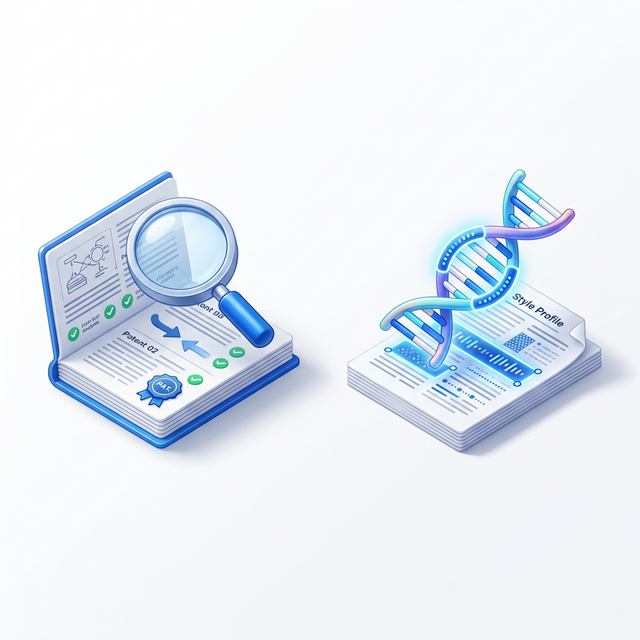
Every attorney has a voice. A specific way of structuring a preamble. A preference for how embodiments are introduced. A level of hedging that is just right; not too cautious, not too exposed. Upload one patent you like the sound of; eety figures out the rest. The next application comes out sounding like you wrote it on a good day.
Style Library New
Save a style profile once; apply it to every new matter in one click. Firms with a house style no longer need to re-upload the reference patent each time. Your writing DNA, stored and reused.
Most drafting tools produce a first draft. eety produces a first-quality draft. There is a difference; and you will feel it the first time you review the output.
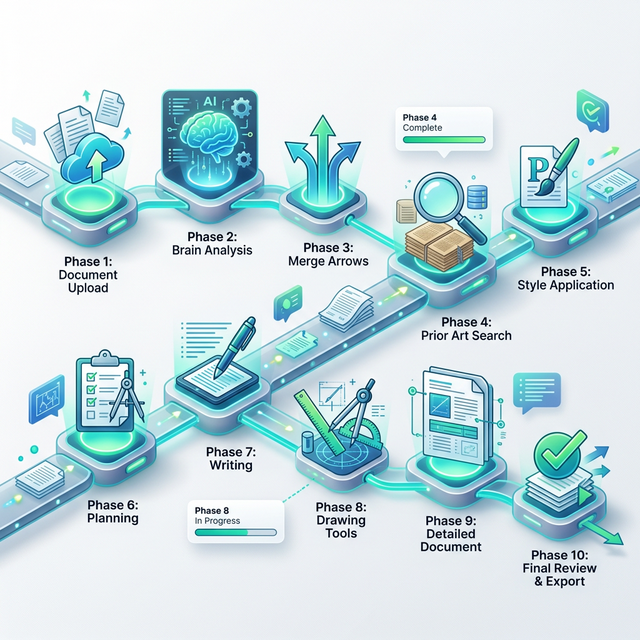
Extracting inventive concepts, technical problems, and solution mechanisms.
Resolving conflicts across sources, producing unified invention comprehension.
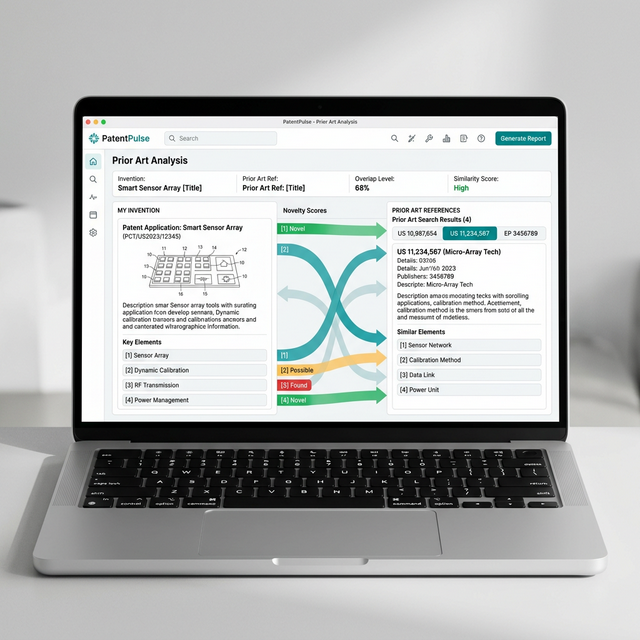
Element-by-element comparison, novelty arguments, and design-around strategies.
Reverse-engineering writing DNA from your reference patent; section by section.
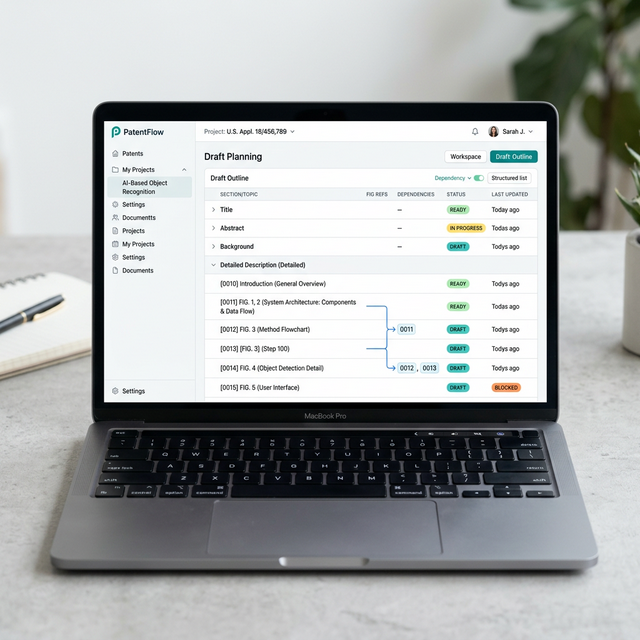
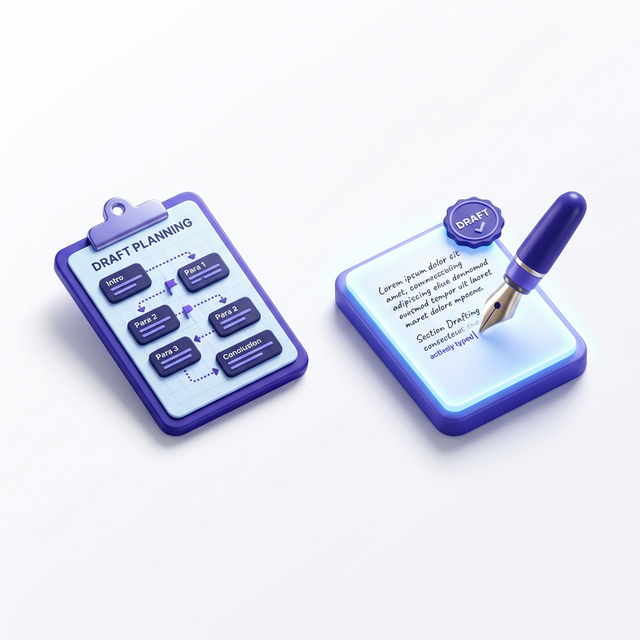
Paragraph-by-paragraph roadmap with topics, figure refs, and cross-section dependencies.
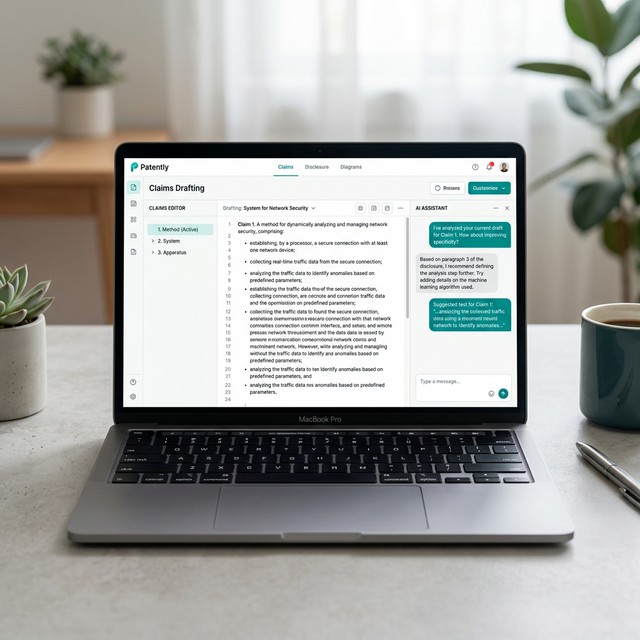
Patent prose drafted step-by-step with claim alignment and style enforcement.
Determining figures, visualization types, and reference numeral schemes.
AI-generated patent drawings; block diagrams, flowcharts, and system schematics.
Figure-by-figure narrative with claim traceability and enablement checks.
Multi-pass review; section by section, claim by claim, figure by figure. Every annotation cites the correct legal authority for your jurisdiction. Then The Verifier runs. Then clean DOCX export.
Not a generic chatbot window. Document editor, AI assistant, drawings, and analysis; all in one real-time interface.
Rich Document Editor
AI Chat Assistant
Drawings Gallery
Real-Time Progress
Track Changes
One-Click Export
Understanding Panel
Style Profiler
The Verifier
Style Library
Drawing Upload
In-App Support
Collaboration
Jobs Panel
Green dot = added since launch
Start with 5 free patent drafts. No credit card required.
20 Patent Applications
$699
billed once · 20 applications
75 Patent Applications
$1,999
billed once · 75 applications
200 Patent Applications
$4,499
billed once · 200 applications
No public URLs, no third-party access to your files.
Complete data isolation with JWT-based access control.
Every action and draft version logged with full history.
Your patent applications are never used to train AI models.