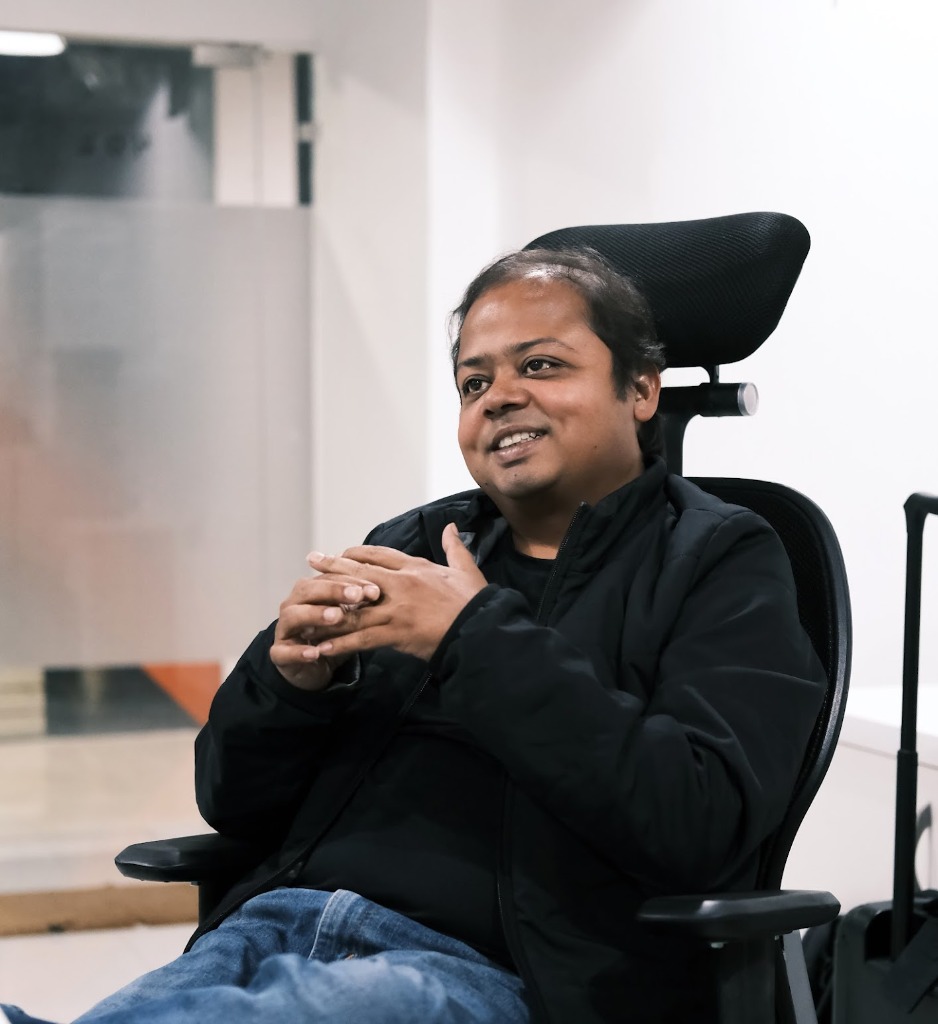
The patent years
I spent more than a decade in patent and IP work. Prior art analysis, claim mapping, freedom-to-operate assessments; the kind of work where precision matters and there is no shortcut that does not eventually cost someone something.
For a significant part of that time I was at CPA Global, now Clarivate, heading the patent research division. It is one of the larger IP companies in the world; and being inside it gave me a clear view of what the tools available to patent professionals were actually doing well; and what they were quietly not doing at all.
That job is where you learn the things nobody writes down. That an admission in a Background section does not hurt anyone on the day it is written; it hurts four years later, in prosecution, when somebody reads it back to you. That the claim count you are allowed before the fees change is different in every office, and that the number moves far less often than the fee does. Small things. They decide files.
The AI years
After that I moved into AI; building products, running startups. An earlier machine learning company of mine, Pluggdd Mobile, worked on mobile data and predictive analytics and was acquired by Cox & Kings. Then Intents Mobi. That experience taught me what these systems are genuinely capable of and where they consistently fall short. LLMs are not magic. They are very good at some things and confidently wrong about others; and knowing which is which matters a lot when you are building something that is supposed to be trusted.
Somewhere in those years, the overlap between the two fields became obvious to me. Not obvious in a grand way; more like a quiet nagging that the patent world was about to get a wave of AI tools built by people who did not really understand what patent work requires. And that felt like a problem worth trying to fix.
I am still on the other side of the desk
I am not only a person who used to do patent work. I am also an applicant. Two applications of mine are pending at the Indian Patent Office on AI for geospatial analytics: 202111019519 and 202111019520. Both are on the public register, so you can go and read them without asking me anything.
I mention this for one reason. Drafting your own AI claims, and then sitting with them, is a different experience from advising on somebody else's. You find out quickly which parts of the job a tool could genuinely carry and which parts it must refuse to touch. A fair amount of what eety does, and a fair amount of what it deliberately will not do, comes out of that.
Why it became eety
The tools being built for patent drafting were mostly text generators dressed up in legal language. They did not understand claim construction. They did not know that an Indian complete specification is filed on Form 2 and carries objects of invention and best method as sections of their own, which a US application does not. They did not know what an examiner actually looks for in a drawing package.
Having spent real time on both sides made some of those problems easier to see clearly. eety is the attempt to address them properly; not perfectly, but properly.